
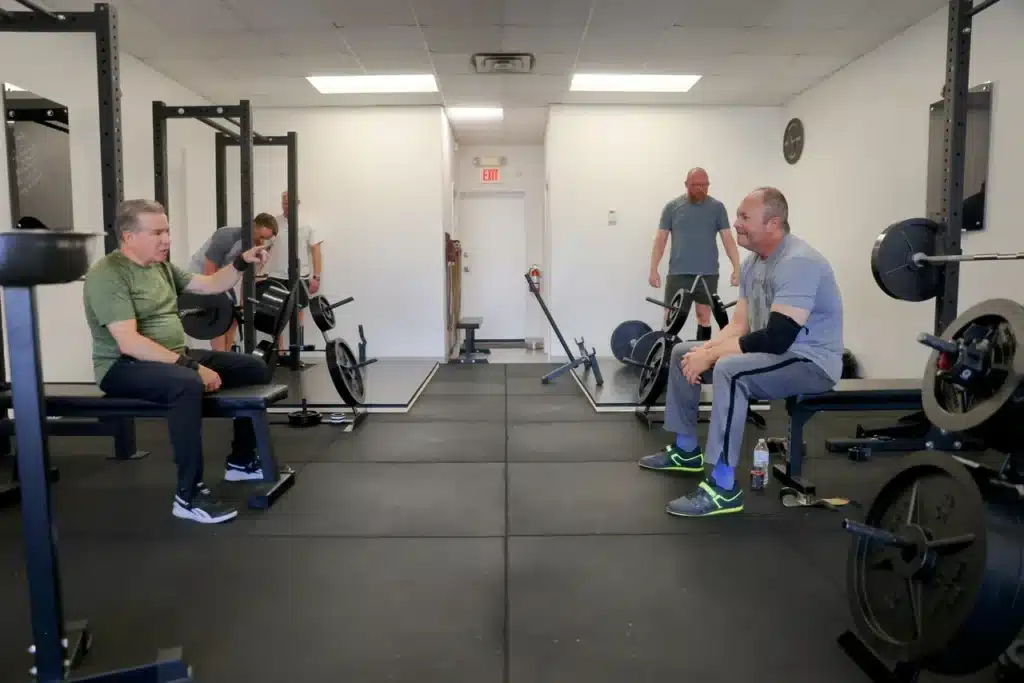
At Traditional Strength Gym, we know how critical testosterone is for maintaining muscle mass, bone density, and overall physical strength—especially for men experiencing age-related declines in testosterone, often called “low T.” Low testosterone can cause significant muscle loss, weaker bones, and increased risk of fractures and injury. Fortunately, our specialized strength training programs help men with low testosterone regain their strength, improve bone health, and boost quality of life.
In this article, we explain how testosterone supports muscle and bone physiology, the consequences of low testosterone, and why strength training at Traditional Strength is one of the best ways to combat these challenges.
What Is Low Testosterone and How Does It Affect Muscle and Bone?
Testosterone is a vital anabolic hormone primarily produced in the testes in men, with smaller amounts from the adrenal glands. It plays a key role in:
- Building and repairing muscle tissue
- Maintaining bone mineral density
- Supporting neuromuscular function and coordination
When testosterone levels drop—due to aging, medical conditions, or other factors—men often experience loss of lean muscle mass, decreased strength, increased fat accumulation, and thinning bones that are more prone to fractures.
How Testosterone Supports Muscle Growth and Bone Density
Testosterone helps muscles grow by binding to androgen receptors in muscle cells, which stimulates:
- Muscle Protein Synthesis (MPS): The creation of new muscle proteins essential for muscle growth and repair.
- Satellite Cell Activation: Muscle stem cells that help repair and regenerate muscle tissue become more active.
- Neuromuscular Function: Enhanced nerve signaling improves muscle contraction strength and coordination.
For bone health, testosterone promotes the activity of osteoblasts (cells that build bone) and inhibits osteoclasts (cells that break down bone). It also converts to estradiol, which protects bone density, especially in the spongy, trabecular bone inside.
The Impact of Low Testosterone on Muscle Loss and Bone Fragility
Men with low testosterone often face:
- Muscular Atrophy: Loss of lean muscle mass by 10-15% or more, leading to decreased strength and physical performance.
- Increased Fat Mass: This negatively affects muscle quality and metabolism.
- Bone Loss: Reduced bone mineral density increases the risk of osteoporosis and fractures, particularly in the hip and spine.
At Traditional Strength Gym, we see firsthand how these changes reduce mobility, increase frailty, and decrease quality of life—but the right strength training program can help turn this around.
Why Strength Training Is Crucial for Men with Low Testosterone
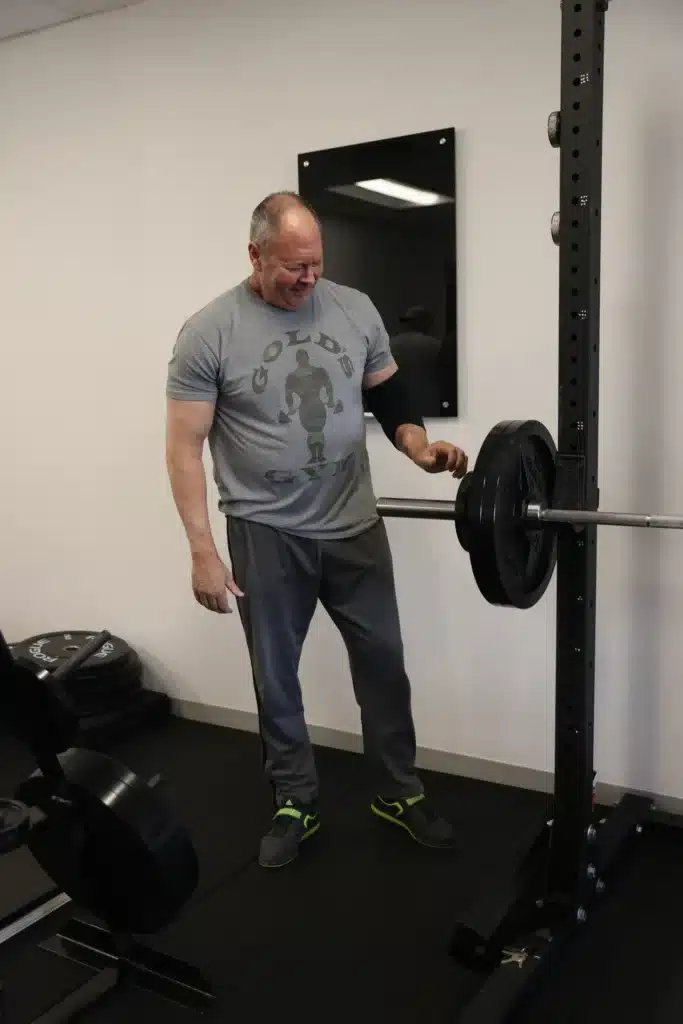
Strength training, also called resistance or weight training, is extremely beneficial for combating muscle and bone loss due to low testosterone. Here’s why:
- Stimulates Muscle Growth: Mechanical tension from lifting weights activates signaling pathways like mTOR that promote muscle protein synthesis. Even men with low T can gain muscle mass and strength with consistent training, though progress might be slower than in men with normal testosterone.
- Improves Neuromuscular Efficiency: Strength training enhances the coordination and recruitment of muscle fibers, helping to maximize the muscle you have.
- Supports Bone Health: Loading bones through resistance exercises stimulates osteocytes (bone cells) to increase bone formation and mineral density, reducing fracture risk.
- Boosts Hormone Levels Temporarily: Resistance exercise causes temporary spikes in testosterone and other anabolic hormones, which contribute to muscle repair and growth.
Our strength training programs at Traditional Strength Gym are specifically designed to optimize these benefits for men with low testosterone, focusing on compound movements like squats, deadlifts, and presses that place maximal load on muscles and bones.
Combining Testosterone Replacement Therapy (TRT) with Strength Training for Optimal Results
For men with clinically low testosterone, Testosterone Replacement Therapy (TRT) can restore hormone levels closer to normal. When combined with strength training, TRT can:
- Enhance muscle hypertrophy and strength gains beyond exercise alone.
- Improve bone mineral density and reduce fracture risk.
- Increase energy, mood, and training capacity.
At Traditional Strength Gym, we work with clients undergoing TRT to tailor strength training programs that maximize these synergistic effects, adjusting intensity and volume to support safe, effective progress.
Practical Tips for Managing Low Testosterone Through Strength Training and Nutrition
To get the best results managing low testosterone and improving muscle and bone health, we recommend:
- Regular Assessment: Hormone and bone density testing to monitor status and guide interventions.
- Progressive Strength Training: Focus on multi-joint compound lifts with gradual increases in resistance.
- Adequate Nutrition: Consume enough protein (approx. 0.9g per pound of body weight), calcium, and vitamin D to support muscle repair and bone health.
- Prioritize Recovery: Sleep, rest days, and stress management are essential to recovery and hormone balance.
- Medical Supervision: Discuss TRT and supplementation with a hormone specialist and monitor bloodwork regularly.
Why Choose Traditional Strength Gym for Strength Training with Low Testosterone?
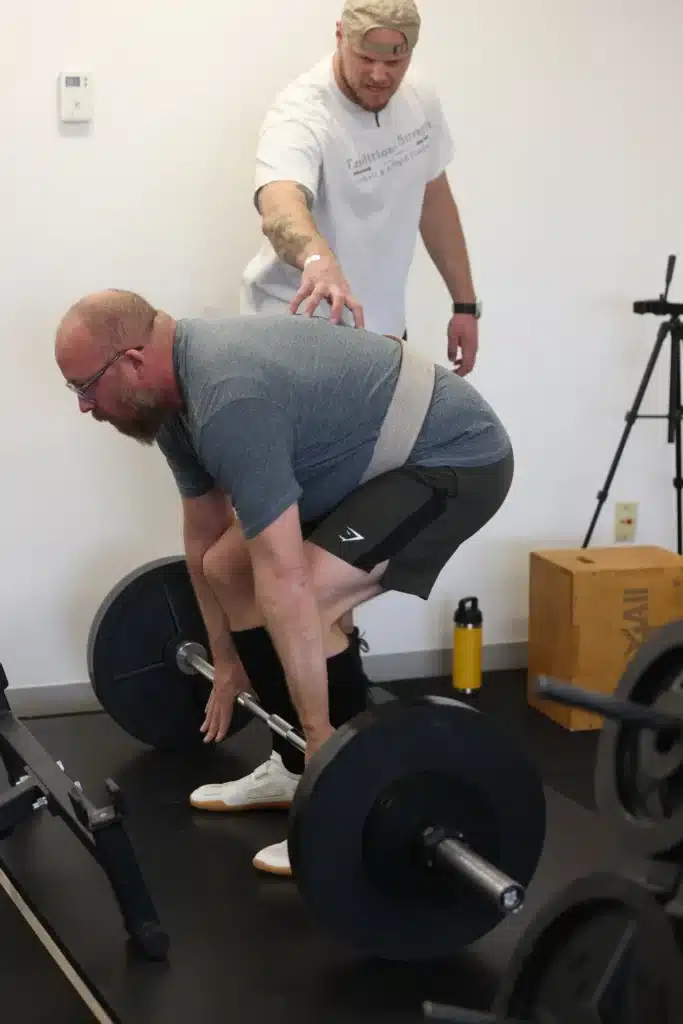
At Traditional Strength Gym, our experienced coaches specialize in helping men with low testosterone rebuild strength and bone health safely and effectively. Our programs combine scientific principles with personalized coaching to ensure:
- Proper technique and injury prevention
- Program adjustments based on individual progress
- Supportive community and motivation
Whether you are just starting your strength training journey or seeking to optimize your routine alongside medical treatment, we’re here to help you achieve your health and fitness goals.
Ready to Take Control of Your Muscle and Bone Health?
Don’t let low testosterone hold you back. Contact Traditional Strength Gym today to learn about our personalized strength training programs designed specifically for men dealing with low testosterone. Our expert coaches will guide you step-by-step toward improved strength, better bone health, and a higher quality of life.
Visit traditional strength or call us now to schedule your consultation and start your journey to stronger muscles and bones!

By Greg Herman
Owner and Head Coach
of Traditional Strength Gym
in Edmond, Oklahoma