
Coaching is often treated as neutral: same cues, same tone, same expectations for everyone. In practice, communication rarely lands the same way across trainees.
While individual differences matter, consistent patterns appear when coaching women versus men—particularly in cue volume, encouragement, pressure response, and perception of load.
Understanding these distinctions helps explain why certain coaching environments feel productive to some lifters and disruptive to others.
In this article, we will talk about some of the differences between men and women as it pertains to achieving a successful coaching outcome.
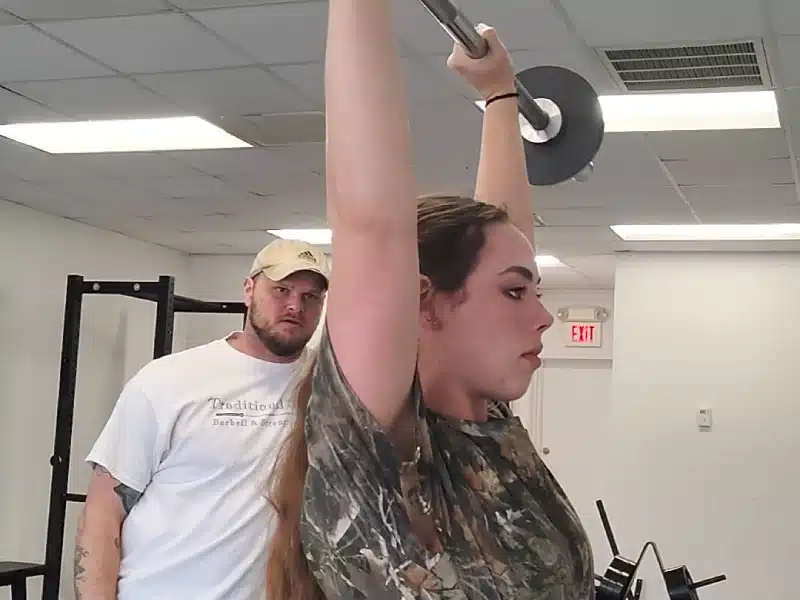
Cue Volume: Loudness Communicates Different Things
Increased cue volume “loudness” is commonly used to create urgency or intensity.
Many men interpret louder cueing as energy. A sharp, loud instruction often helps them focus, especially during heavy attempts or in competitive situations. Volume registers as activation rather than emotional feedback.
Many women, however, interpret increased volume as emotional information. Loud cues are more likely to be perceived as frustration, disappointment, or intimidating—even when the content is neutral. This can pull attention away from execution and toward interpretation.
- Men often maintain or improve performance with louder cueing.
- Women more often perform better with calm, controlled volume and precise timing.
The difference is perception.
Encouragement: Expectation vs. Permission
Encouragement functions differently depending on the trainee’s gender.
Men often operate under the assumption that their max effort is the expectation. While encouragement can be motivating, it is not an absolute necessity. More often, the challenge is more effective than any praise.
Women are more likely to hesitate in the absence of encouragement—not because of low confidence, but because they are assessing risk and expectations. Clear and positive reinforcement acts as permission to attempt difficult things without second-guessing.
- Men tend to respond to challenge.
- Women tend to respond to reassurance that effort is appropriate and supported.
Pressure: Aggression vs. Caution
Under pressure, trainees often exaggerate their default tendencies.
Men commonly respond to pressure with increased aggression. They may rush getting setup, skip steps, or attempt heavier loads than planned. Pressure amplifies confidence, sometimes beyond what execution can support.
Women more commonly respond to pressure by becoming cautious. They slow down, overthink, or aim for perfect execution. Pressure amplifies control rather than risk-taking.
- Men often need cues that slow them down and refocus execution.
- Women often need cues that lower perceived stakes and reinforce readiness.
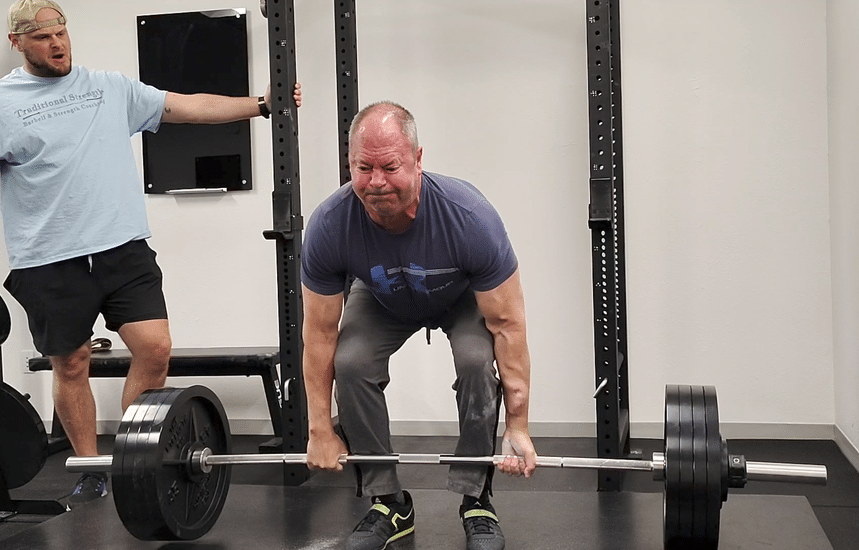
Perception of Load: Optimistic vs. Conservative
Differences in how load is perceived show up consistently in weighttraining.
Men tend to overestimate capacity, perceiving the bar as lighter than it is. This optimism can drive progress but also increases the likelihood of excessive jumps in weight or technical breakdowns.
Women tend to underestimate capacity, perceiving the bar as heavier than it is. This conservatism can limit attempts unless load progression is managed intelligently.
- Men often benefit from stricter load constraints.
- Women often benefit from smaller, steadier progressions that build confidence alongside strength.
What These Distinctions Clarify
While these patterns don’t define individuals, they also don’t excuse poor coaching. They explain why “one-size-fits-all” communication often fails.
Weight rooms have traditionally been built around communication styles that work well for men and are assumed to be universal. When women struggle in those environments, the issue is often framed as personal rather than contextual.
Adjusting how cues are delivered, how encouragement is used, how pressure is managed, and how load is framed doesn’t lower standards. It aligns communication with how different trainees process information which is the entire purpose of getting coaching.
And when communication aligns, improved performance follows.
Greg Herman
Coach & Owner
Traditional Strength Gym